Project Gallery & Case Studies
Field-verified fabric expansion joint installations across combined-cycle gas turbines, thermal boilers, biomass plants, cement kilns, and industrial fan ducts.
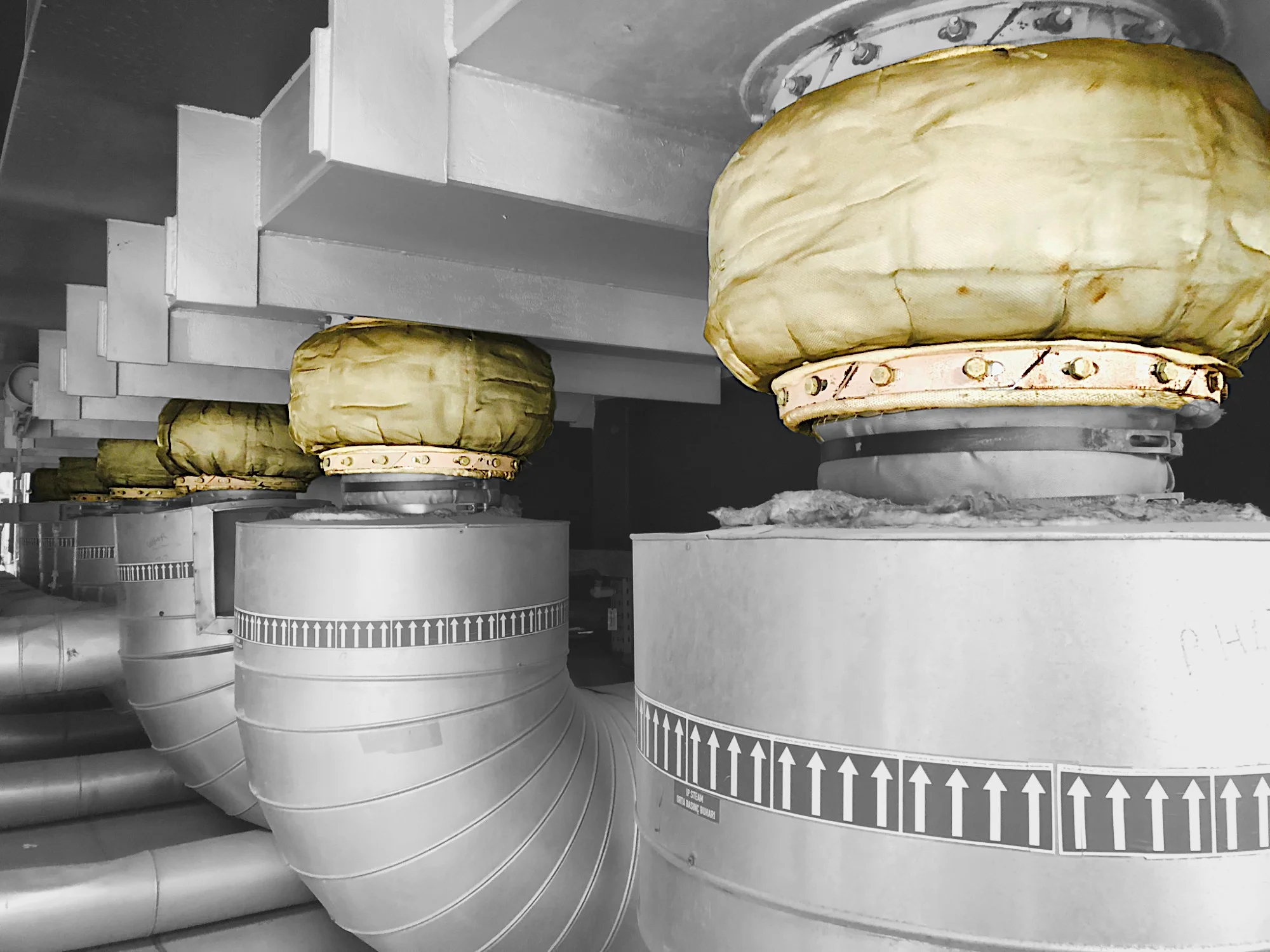
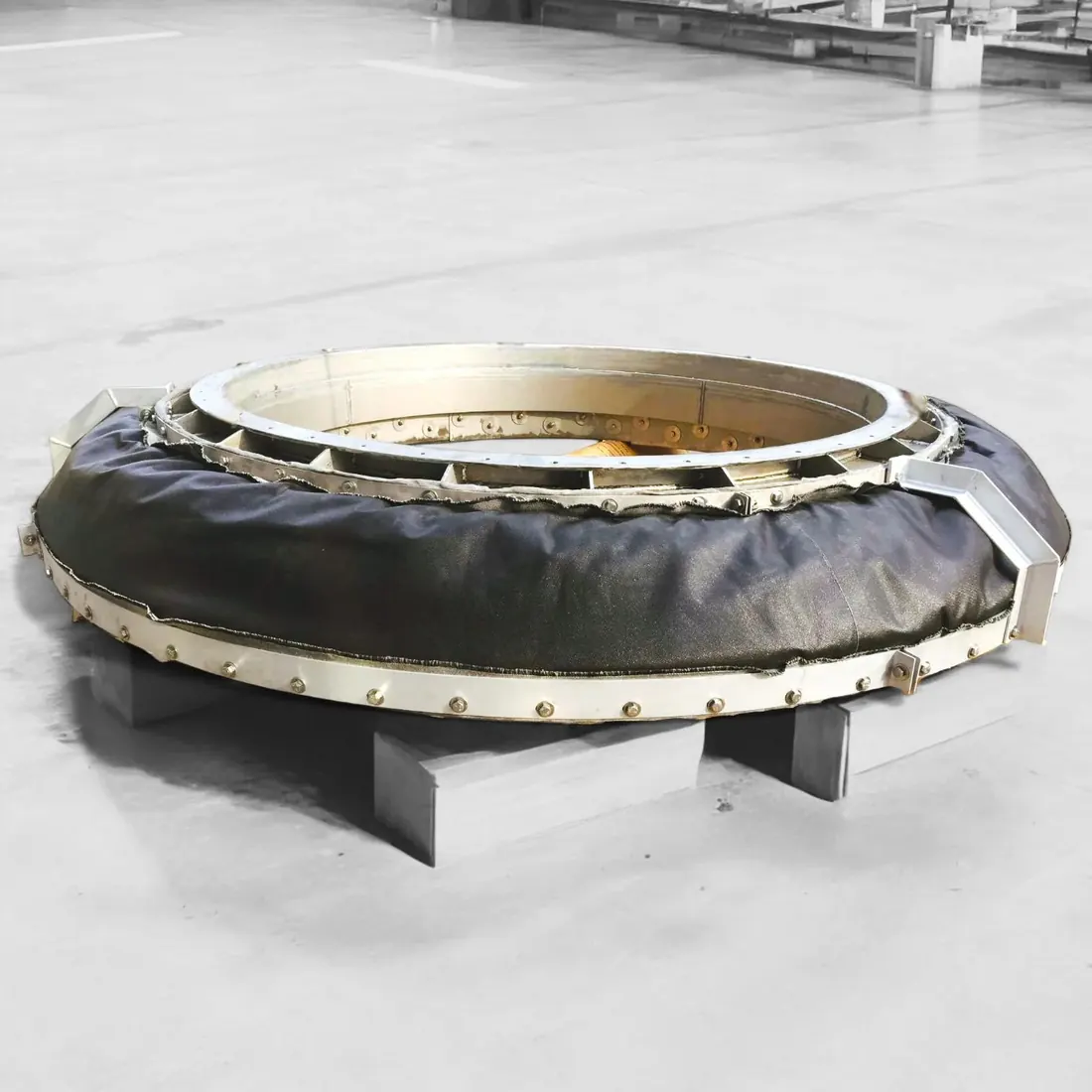
HRSG Inlet Sealing Solutions – High Movement and Reliable Performance
GtTec™ · +650°C · ±15 kPa · 4,200×2,800 mm · 420 MW CCGT
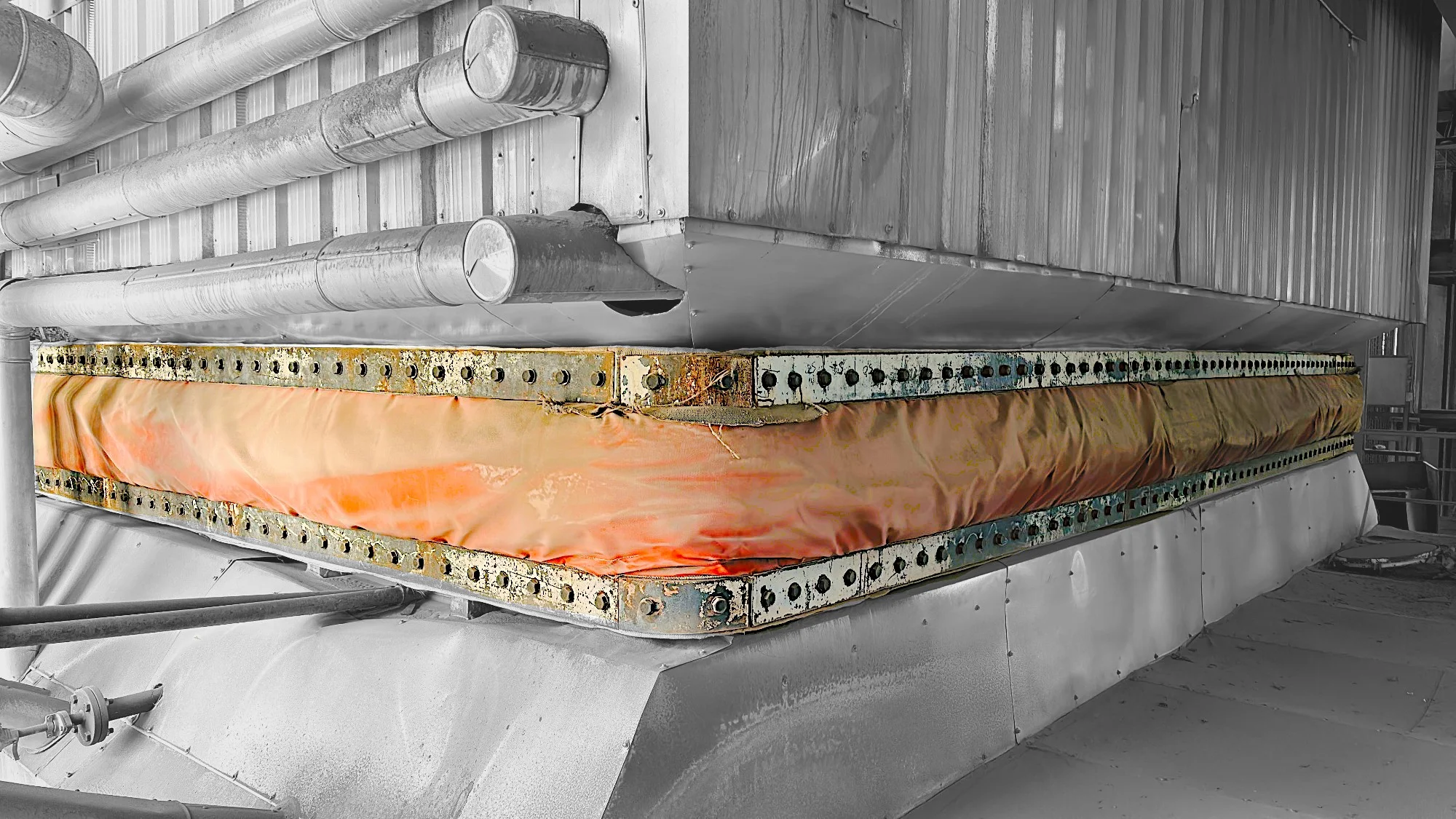
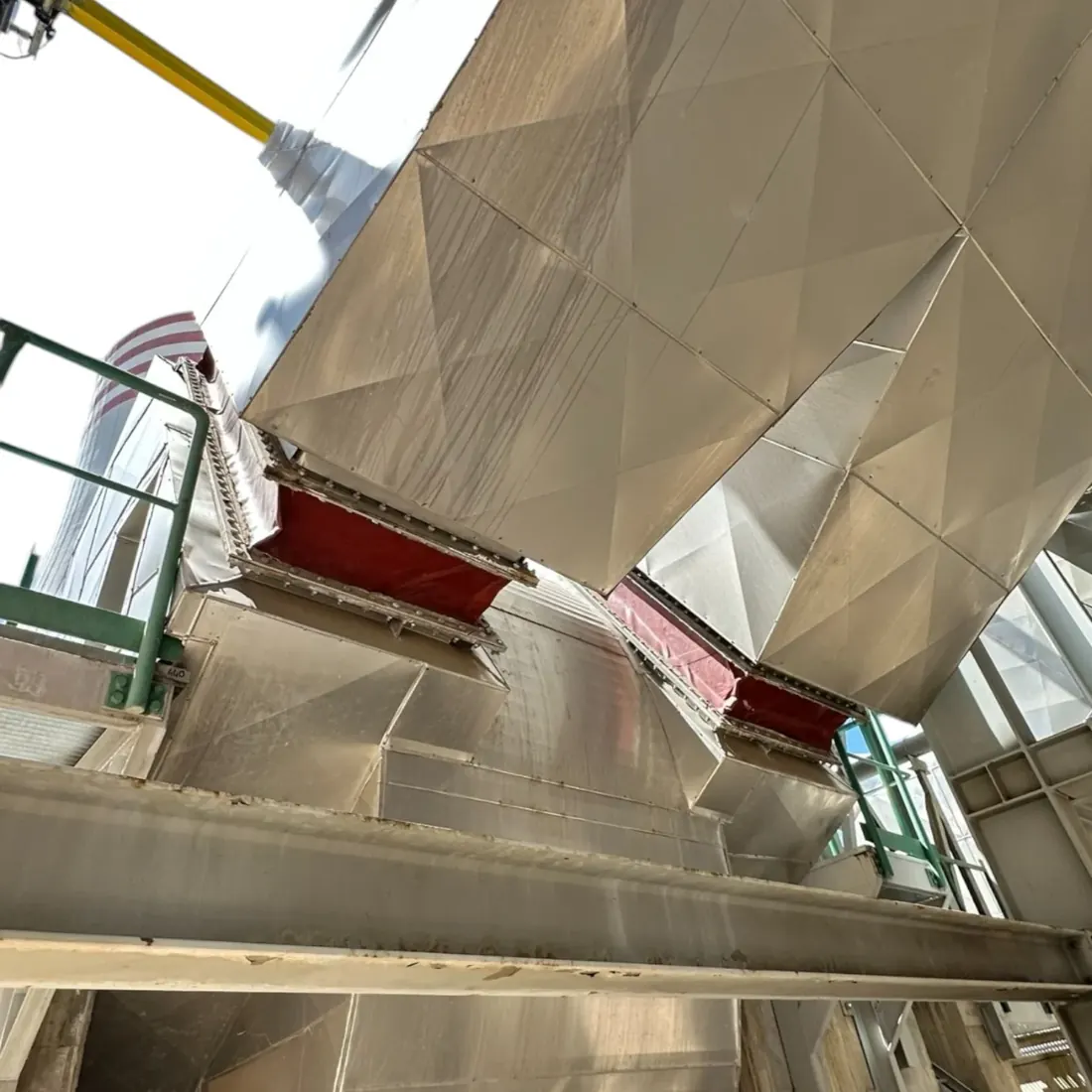
Multi-Layer Expansion Joint Fabric for Thermal Power Plant Boiler Sections
FlueTec™ · +420°C / +750°C · ±35 kPa · 5,000×3,000 mm · 72h Outage
Cold-to-Cold Gas Turbine Expansion Joint – Insulated and Secure Solution
GtTec™ · +600°C Gas / <60°C Skin · ±15 kPa · 3,600×2,400 mm
Custom-Designed Fabric Expansion Joint for Biomass Power Plants
ArminTec™ · +520°C · ±15 kPa · 1,400×900 mm · >36,000h Life
Hot-to-Cold Gas Turbine Expansion Joint – High Performance and Reliability
GtTec™ · +620°C → <60°C · ±15 kPa · 3,800×2,600 mm · 320 MW
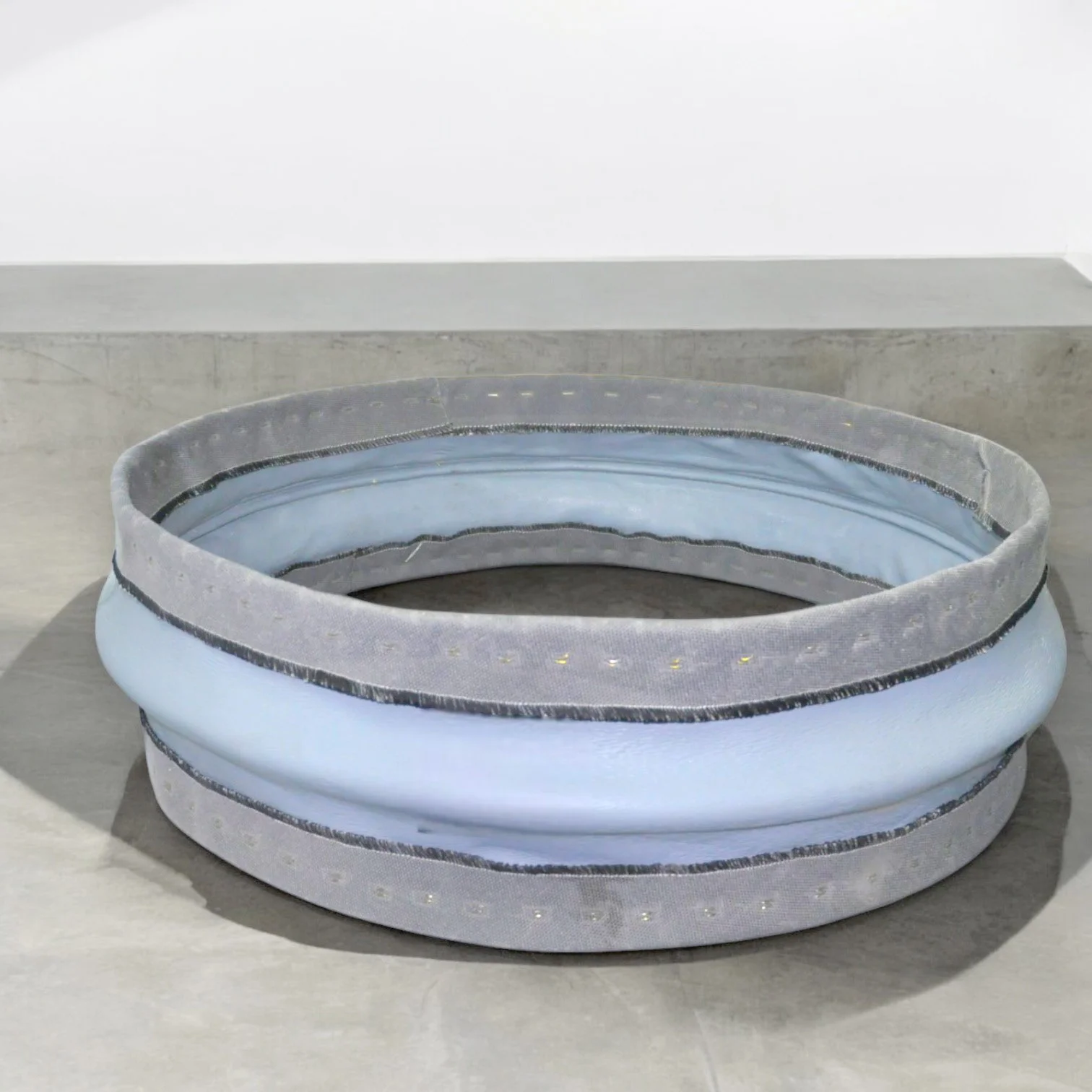
FanTec Fabric Expansion Joints for Fan Suction Zones
FanTec™ · +180°C · -12 kPa Suction · 2,600×1,800 mm · 4,500 tpd Cement
FanTec Fabric Expansion Joint – High Vacuum Resistance and Fast Delivery
FanTec™ · +220°C · -15 kPa Vacuum · 32 Units (DN1200) · 48h Dispatch
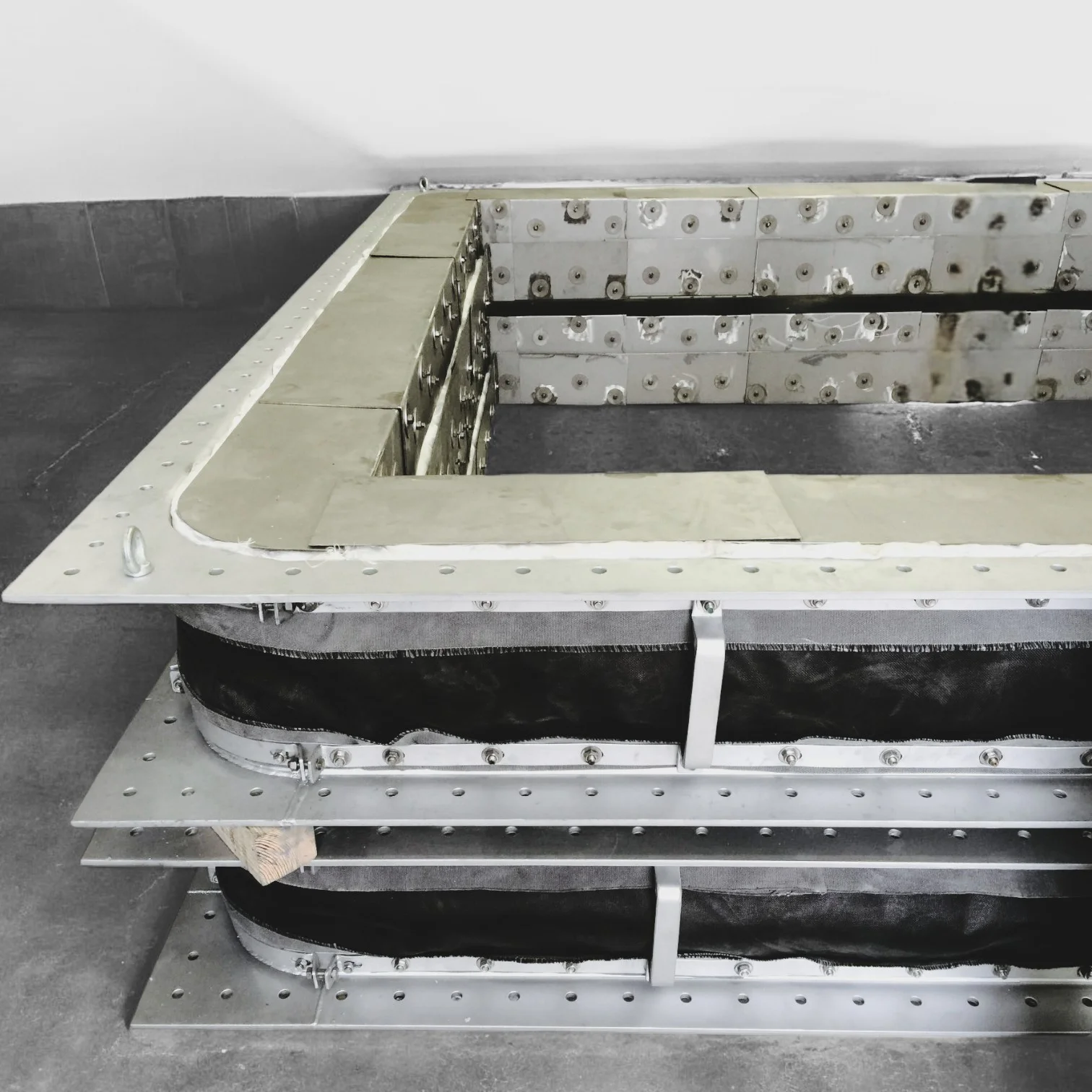
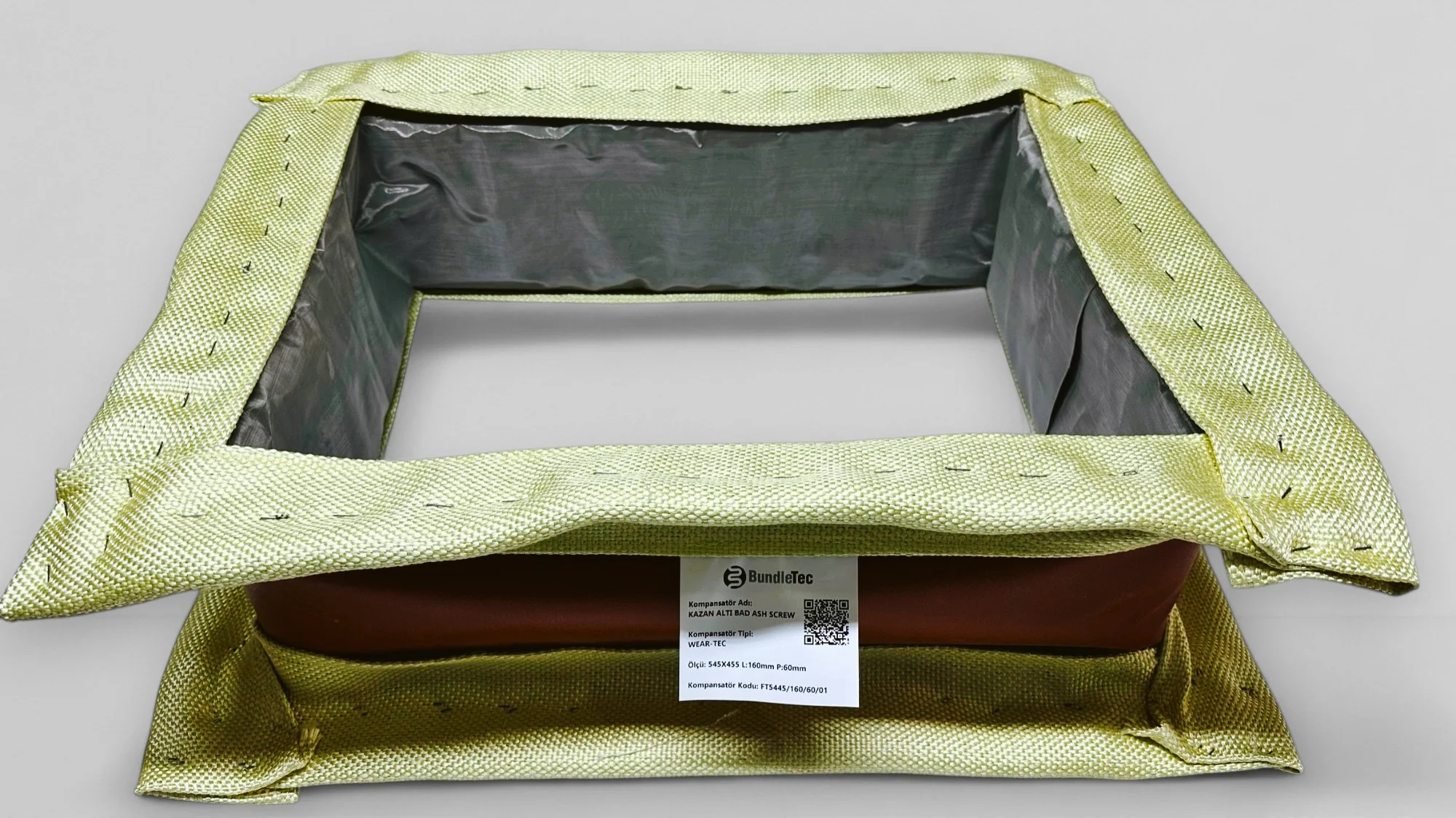
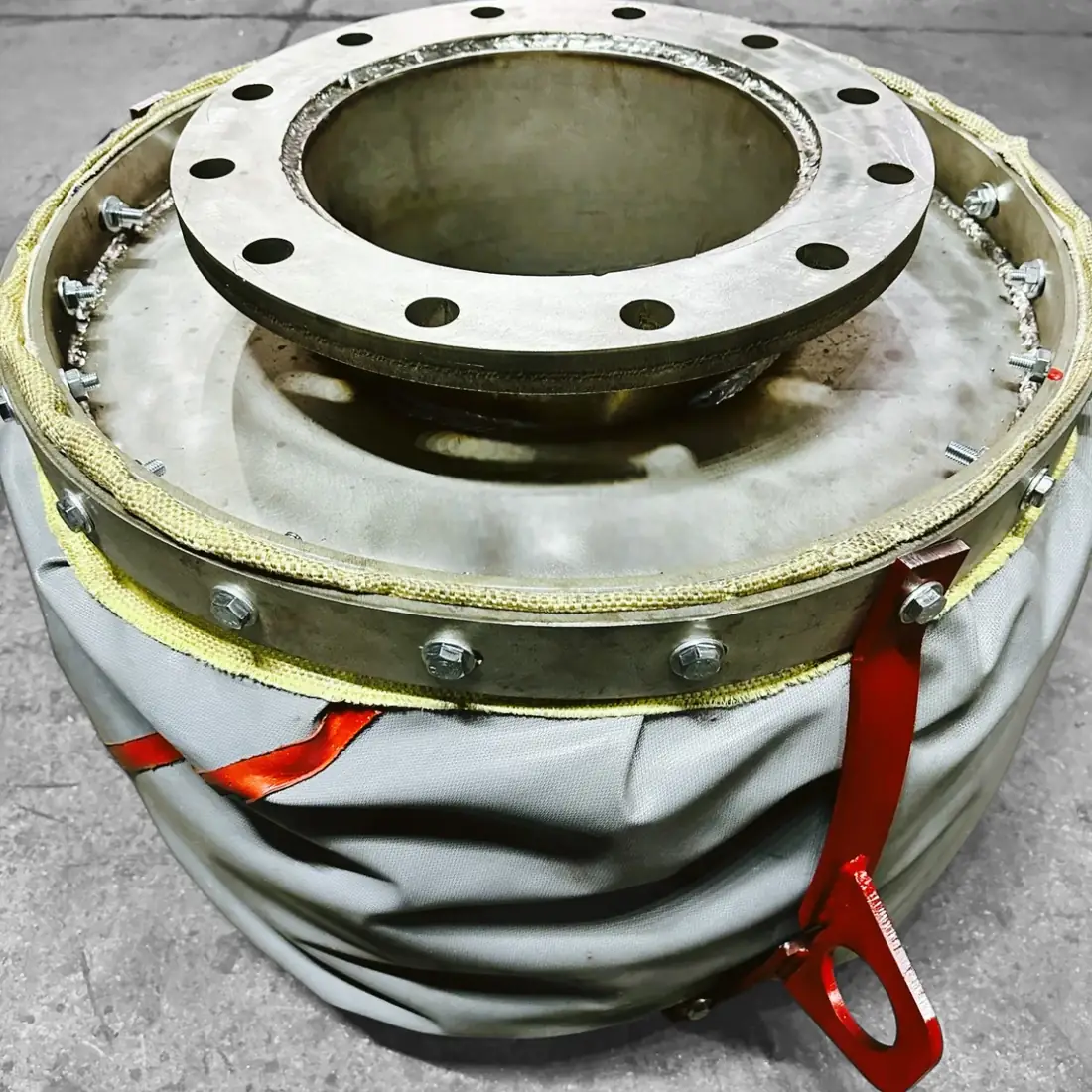
Steel-Framed Fabric Expansion Joint for Screw Coolers in the Soda Industry
ArminTec™ · +550°C / 1.4845 Frame · ±15 kPa · 1,600×1,200 mm
BundleTec Engineering Standards & Manufacturing Quality Tolerances
Every fabric expansion joint built at our manufacturing plant complies with global standards, including FSA Non-Metallic Handbook and RAL-GZ 719. Strict dimensional tolerances and tensile verification protocols are applied across all production stages.
Our quality assurance protocol applies baseline EN 1593 Nekal® (≥50 hPa) bubble tightness testing per RAL-GZ 719 plus an optional Helium Mass-Spectrometer QA protocol for critical toxic gas barriers, alongside DIN EN ISO 13934-1 tensile verification and EN ISO 15614 certified weld inspection. Below are our standard manufacturing tolerances applied across all custom fabric expansion joint geometries.
Global Field Performance & Engineering Benchmarks
Since 1996, BundleTec's fabric expansion joint facility has delivered custom assemblies across more than 40 countries. From combined-cycle HRSG gas turbines to abrasive cement preheaters, each installation is backed by measured field results. Our goal on every project is zero unplanned downtime and lower lifecycle cost.
Technical Specifications & Engineering Data Matrix
| Industry Sector | Recommended Series | Typical Service Temp | Verified Field Outcome |
|---|
| Gas Turbine & HRSG | GtTec™ | +620°C / +1000°C | Zero delamination on rapid starts |
| Power Boilers & FGD | FlueTec™ / ChemTec™ | +150°C / +750°C | Broad pH 0–14 virgin PTFE acid barrier |
| Cement & Metallurgy | ArminTec™ | +250°C / +550°C | Hardox 400 (≤250°C) & AISI 310S (250–550°C) liners |
| Industrial Fans | FanTec™ | -35°C / +250°C | 95% vibration isolation (±15,000 Pa) |
Engineering Verification Protocol, Test Benchmarks & Official Authority References
Most premature expansion joint failures trace back to incomplete process data or misapplied design standards. At our dedicated fabric expansion joint facility, every project passes thermal gradient modeling, strip tensile verification, and sleeve clash checks prior to cutting material.
The official RAL-GZ 719 (March 2017) specification defines quality assurance for both Single-Layer and Multi-Layer fabric expansion joints. Baseline gas-tightness is verified via EN 1593 Nekal® bubble testing at minimum 50 hPa differential pressure. Elastomer heat aging follows DIN 53508 while repeated flex fatigue follows ISO 132 (De Mattia).
Beyond baseline RAL-GZ 719 compliance, BundleTec applies extended in-house QA protocols for severe industrial ducts. Optional Helium Mass-Spectrometer leak verification confirms Q ≤ 1.0×10⁻³ mbar·l/(s·m) on critical FGD or toxic gas lines. Fabric carcass tensile breaking force exceeds 4,000 N/50 mm per DIN EN ISO 13934-1 with ≥85% seam efficiency.
During field assembly, all steel clamping bars and mating duct flanges touching the belt require smooth R ≥ 3 mm edge radii per FSA-DSJ Chapter 4. Clamping bolts follow a 3-pass cross-star torque sequence: M10 at 25–30 Nm, M12 at 40–50 Nm, M16 at 70–85 Nm, and M20 at 120–140 Nm. A 24-hour hot retorque after initial startup prevents flange seepage.
Above +300°C, elevated standoff steel frames pair with 1200°C bio-soluble CMS-Bio ceramic bolsters. This architecture holds virgin PTFE membranes safely below +260°C and keeps external jacket surfaces under +60°C per ISO 13732-1 personnel burn limits.
Developed belt width follows W_dev = √((L_inst + ΔX_e)² + ΔY²) × 1.12 + 2 × W_flange. The 12% FSA bulging slack factor eliminates fiber overstress under simultaneous axial extension and lateral shear. Engineers can validate every layer stack online in FabricSim™ or check metallic bellows codes in CyclePro™.
Standards Compliance & Factory QA Verification Matrix
| Verification Step | Acceptance Target | Governing Code / Test |
|---|
| Bubble Leak Tightness | Zero bubbles at min. 50 hPa | RAL-GZ 719 / EN 1593 Nekal® |
| Extended Helium QA | Q ≤ 1.0×10⁻³ mbar·l/(s·m) | BundleTec Extended Factory QA |
| Thermal Aging & Flexing | Zero cracking or delamination | DIN 53508 / ISO 132 |
| Strip Tensile Strength | ≥ 4,000 N / 50 mm (η ≥ 85%) | DIN EN ISO 13934-1 |
| External Skin Safety | < 60°C outer touch limit | ISO 13732-1 / FabricSim™ |
| Clamping Radius & Torque | R ≥ 3 mm · 3-pass cross-star | FSA-DSJ Chapters 4 & 5 |
Official International Standards Authority: QAFEJ / RAL-GZ 719 (Gütegemeinschaft Weichstoff-Kompensatoren e.V.) ↗ · BundleTec 80-Term Engineering Glossary →
Engineering Validation & Field Reference Summary
All fabric expansion joints in this project portfolio are custom-engineered at our dedicated manufacturing plant. Each unit undergoes FabricSim thermal profile, acid dew point, and multi-axial kinematic clash verification before fabrication. Negligible belt spring stiffness (~10–50 N/m perimeter) eliminates thermal spring reaction, while structural duct anchors carry internal pressure thrust (P × A).
Every multi-layer build from our manufacturing plant passes FabricSim thermal gradient and kinematic validation. Maintaining 10–12% circumferential bulging slack prevents tensile fiber overstress during concurrent axial and lateral movements. Performing a 24-hour hot bolt retorque after startup significantly extends belt sealing reliability.
Request a Similar Project Reference or Custom RFQ
Share your duct dimensions, operating temperature, pressure, and movements. Our engineers deliver a custom layer design and reference dossier within 24 hours.